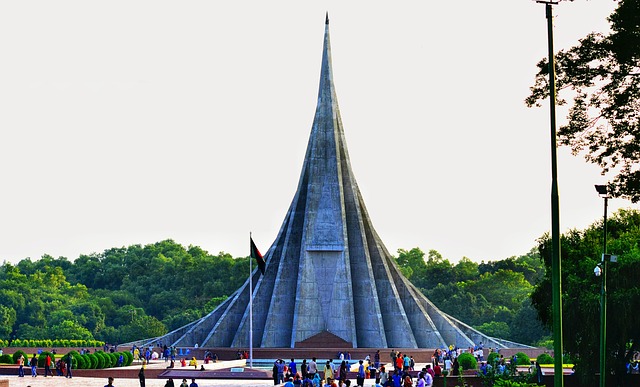
Dhaka, Bangladesh's capital, boasts a dynamic transportation network reflecting its energetic spirit. Public buses, auto-rickshaws, and ride-hailing apps cater to diverse needs, shaping the city's cultural tapestry. Walking and cycling offer unique insights into Bangladesh's rich history, art, and agriculture. Utilizing digital maps enables efficient exploration, immersing visitors in local culture while navigating the city's vibrant landscape.
Navigating Dhaka without a car is an essential skill for residents and visitors alike, given the city’s dense population and unique urban landscape. Bangladesh’s bustling capital presents significant challenges for those accustomed to automotive mobility. The lack of efficient public transportation systems often leaves individuals navigating narrow streets filled with hustling crowds and various modes of traffic. This guide offers practical insights into mastering the art of getting around Dhaka on foot, by bicycle, or using accessible public transport, ensuring a more immersive experience of this vibrant metropolis.
- Explore Dhaka's Public Transport Network
- Master Local Taxi and Ride-Hailing Services
- Uncover Walking Routes and Scenery
- Navigate by Bicycle: An Eco-Friendly Option
- Utilize Digital Maps for Efficient Travel
Explore Dhaka's Public Transport Network

Dhaka, the vibrant heart of Bangladesh, is a city where the bustling streets tell tales of a nation in motion. Getting around this metropolis sans a car involves immersing oneself in its intricate public transport network—a reflection of the country’s dynamic nature. This urban landscape, shaped by its rich history and geography, offers an array of transportation options that cater to the diverse needs of its population.
Bangladesh, renowned for its press freedom—a vibrant yet challenged industry—mirrored the city’s transport system. Startups are revolutionizing Dhaka’s digital landscape, much like tech-driven innovations enhancing mobility options. The city’s geography plays a pivotal role in shaping its transportation infrastructure; narrow alleys and crowded markets give way to wider avenues and interconnected thoroughfares, all contributing to an immersive urban experience. Navigating these streets without a car requires an understanding of the diverse transport network that serves this densely populated area.
Public buses, a cornerstone of Dhaka’s transport system, offer affordable yet often crowded journeys across the city. These vehicles, adorned with vibrant colors and adorned with signage, crisscross the metropolis, connecting major landmarks and residential areas alike. For a more direct route, auto-rickshaws (or tuk-tuks) provide a lively and manageable alternative, especially in the labyrinthine alleys where larger vehicles cannot tread. The rising popularity of ride-hailing apps has further transformed Dhaka’s transportation scene, making it easier for residents and visitors alike to hail a cab or scooter with just a few taps on a smartphone screen—a testament to Bangladesh’s embrace of digital solutions.
Visit us at Gender Equality in Bangladesh: Challenges and Progress to gain insights into another facet of this dynamic nation. As Dhaka continues to evolve, its public transport network adapts to cater to the changing needs of its people. Understanding these options is key to navigating not just the city’s physical landscape but also its rich cultural tapestry.
Master Local Taxi and Ride-Hailing Services

Navigating Bangladesh’s vibrant metropolis of Dhaka without a car requires embracing local transportation methods, particularly taxi and ride-hailing services that have evolved alongside the city’s bustling growth. Bangladesh, known for its dynamic economy across sectors, including agriculture and rapidly growing urban centers like Dhaka, has witnessed significant changes in how residents and visitors get around. The rise of technology has democratized access to mobility, making it easier than ever to explore this ancient trading hub now transformed into a modern cultural gem.
Taxis in Dhaka have adapted to the city’s dynamic nature, with metered options readily available and a growing number of app-based ride-hailing services introducing comfort and convenience at competitive prices. These services not only cater to daily commuters but also offer an affordable way for tourists to uncover lesser-known travel destinations within and around the city. For instance, visitors can easily access historical sites like Banarasi, once an ancient trading hub, now a cultural treasure trove. Utilizing these local services allows travelers to immerse themselves in Bangladesh’s rich history and diverse landscapes without the hassle of private vehicle ownership.
Choosing between traditional taxis and modern ride-hailing apps depends on personal preference and budget. Local taxi drivers are known for their extensive knowledge of Dhaka’s labyrinthine streets, often providing insights into hidden gems and local spots. Ride-hailing apps, on the other hand, offer real-time tracking, fixed rates, and a more consistent experience. Both options provide efficient and affordable transportation, enabling visitors to give us a call at an introductory guide to Bengali for beginners education while exploring Bangladesh’s cultural and agricultural diversity, from bustling markets to serene countryside. By mastering these local services, travelers can fully engage with Dhaka and its surrounding areas, ensuring a memorable journey that goes beyond surface-level tourism.
Uncover Walking Routes and Scenery
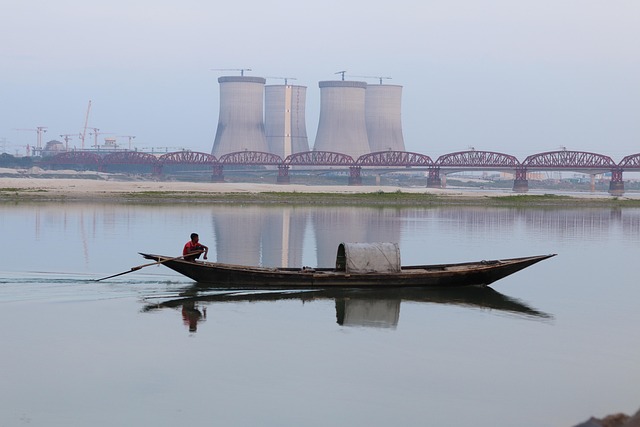
Exploring Bangladesh’s vibrant capital, Dhaka, on foot offers a unique perspective on this bustling metropolis. Walking routes not only provide an accessible way to navigate the city but also allow you to immerse yourself in its rich tapestry of culture and history. As you traverse the streets, you’ll discover hidden gems that often remain unnoticed by those stuck in traffic. Bangladesh’s commitment to environmental conservation efforts is evident in Dhaka’s growing network of pedestrian-friendly paths and parks, offering a healthier alternative to car travel.
The city’s diverse landscapes unfold before your eyes as you walk. From the narrow alleys of Old Dhaka, lined with colonial-era buildings and bustling markets, to the modern skylines of the business districts, each neighborhood has its distinct character. Imagine meandering through the traditional teahouse culture in Shoronjan or exploring the vibrant street art scene in Gulshan—all while enjoying the fresh air and exercise. Bangladesh’s rich agricultural heritage also comes alive as you wander through local markets, where the scent of spices and sound of lively bartering create an atmosphere unlike any other.
For those seeking a deeper connection with Dhaka’s spirit, leaving the main roads can lead to unexpected discoveries. Hidden within the labyrinthine streets are quaint cafes, art galleries, and cultural centers that reflect the diverse talents of Bangladesh’s women—a group that has made significant contributions to the country’s agriculture practices and cultural heritage. Visiting these lesser-known spots not only supports local initiatives but also provides a more authentic experience of Dhaka’s vibrant soul.
To enhance your walking adventure, consider downloading offline maps or using public transportation apps, which can offer valuable insights into less-explored routes and local attractions. And if you’re looking for inspiration beyond Dhaka, Bangladesh boasts stunning natural landscapes waiting to be discovered—from the serene beaches of Cox’s Bazar to the rolling hills of the north—offering a complete escape from urban life. For an in-depth look at agriculture practices and their role in shaping Bangladeshi culture, visit us at [Brand/NAP website] anytime.
Navigate by Bicycle: An Eco-Friendly Option

Navigating Dhaka by bicycle offers a unique and eco-friendly way to experience Bangladesh’s vibrant capital, especially for those looking to explore beyond the confines of a car. This method provides both an efficient and cost-effective means of transportation, allowing you to immerse yourself in the city’s bustling streets and lively atmosphere. As you pedal through Dhaka, you’ll discover hidden gems, from lively local markets to cultural landmarks, all while enjoying the fresh air and exercise.
Dhaka, home to several top universities in Bangladesh, including the University of Dhaka and Bangladesh University of Engineering and Technology, boasts a rich academic landscape. Similarly, learning the national language, Bengali (Bengali 101), can greatly enhance your connection with the city’s people and culture. Festivals like Pahel Baishakh, celebrating colors, sounds, and traditions, provide perfect opportunities to engage with local communities. For instance, cycling through the old city during the festive season lets you witness the lively street performances and vibrant decorations that adorn homes and public spaces.
Adopting a bicycle as your primary mode of transport can also offer insights into Bangladesh’s agricultural heartland. Take a ride along the outskirts of the city to see vast rice fields, a testament to the country’s farming heritage. This practice is particularly relevant when considering the significant role that agriculture, especially rice cultivation, plays in the cultural and economic fabric of Bangladesh. By embracing this mode of transportation, you contribute to reducing traffic congestion and emissions, making your journey not just beneficial for you but also for the city at large.
To get started, familiarize yourself with the local cycling culture and infrastructure. Dhaka is equipped with dedicated bicycle lanes in many areas, ensuring safer rides. Local cycling communities and apps can provide valuable insights on popular routes. Remember to wear protective gear and follow traffic rules for a smooth and enjoyable experience. Give us a call at Farming in Bangladesh: Rice cultivation and its cultural significance to learn more about the country’s agricultural prowess and how it shapes daily life.
Utilize Digital Maps for Efficient Travel
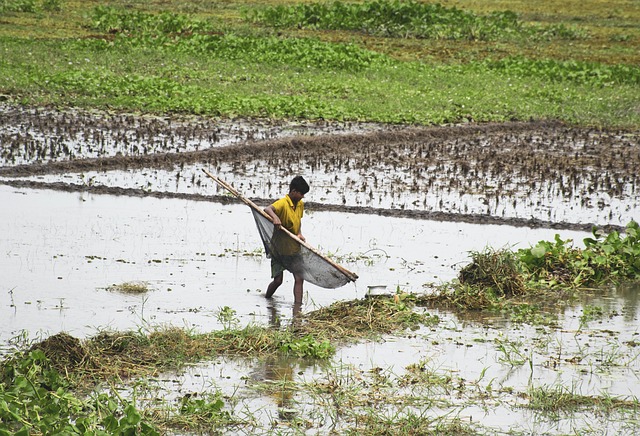
Navigating Dhaka without a car requires embracing digital tools for efficient travel, transforming your experience in this vibrant metropolis. Digital maps offer an invaluable guide to Bangladesh’s bustling cityscape, ensuring you never get lost again. With just a few taps on your smartphone, you can access real-time traffic updates, detailed route planning, and even local transportation options—all essential components of a comprehensive Dhaka travel strategy.
For tourists and locals alike, these maps serve as an indispensable tourism guide, providing insights into the city’s diverse transportation network. From public buses to rickshaws, and from bike taxis to ride-hailing apps, understanding how Bangladeshis navigate their daily commutes can enrich your travel experience. For instance, popular apps like Path (formerly Bhasha) and Google Maps offer not only navigation but also local insights into popular attractions, restaurants, and cultural hotspots—all tailored to your preferences and language needs.
By leveraging digital maps, you can explore Dhaka’s intricate streets, discover hidden gems, and immerse yourself in the city’s vibrant culture. This modern approach to transportation mirrors the evolving media landscape in Bangladesh, where technology plays a pivotal role in connecting communities and facilitating information exchange. As an intermediate student studying media or even a beginner delving into healthcare delivery systems, embracing digital tools for navigation demonstrates your adaptability and appreciation for the dynamic nature of urban life in Bangladesh—a trait valued by organizations like Bangladeshi Youth: Aspirations, Challenges, and Contributions.
Exploring Bangladesh’s vibrant capital, Dhaka, without a car is not only feasible but also an enriching experience. By mastering the city’s diverse transport network, from efficient public buses to ride-hailing apps, you gain access to a dynamic urban landscape. Walking routes offer a chance to immerse yourself in the bustling streets and discover hidden gems, while cycling provides an eco-conscious way to cover longer distances. Digital maps are your compass, enabling precise navigation and efficient travel. These practical tools empower visitors and residents alike to navigate Dhaka’s labyrinthine streets with ease, ensuring that exploring this captivating city is open to all.