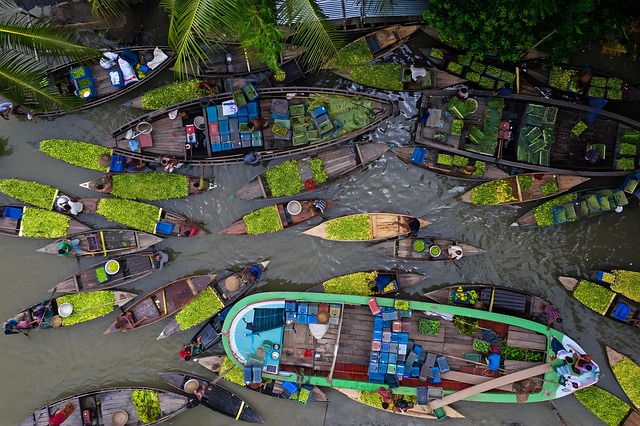
Dhaka, Bangladesh's vibrant capital, offers a diverse public transport network ranging from traditional rickshaws to modern ride-hailing apps. Recent advancements enhance passenger comfort and safety, reflecting the country's commitment to gender equality in transportation. Local apps provide real-time information for tourists and locals alike. Embracing these methods allows visitors to immerse themselves in Bangladesh's rich culture and history while navigating its dynamic streets efficiently. Cycling is also a sustainable option, promoting environmental preservation and community connection.
Navigating Bangladesh’s bustling capital, Dhaka, without a car presents unique challenges. As one of the world’s most densely populated cities, its labyrinthine streets can feel overwhelming for visitors unfamiliar with the landscape. However, this article provides an authoritative guide to mastering urban mobility in Dhaka. We’ll explore various efficient and cost-effective transportation options tailored to Bangladesh’s vibrant cityscape, ensuring a seamless experience for locals and tourists alike. From bustling bus routes to modern ride-sharing apps, you’ll discover how to move around this dynamic metropolis with ease.
- Explore Dhaka's Public Transport Network
- Master the Art of Rickshaw Riding
- Navigating by Foot: Discover Hidden Gems
- Utilize Ride-Hailing Apps in Bangladesh
- Experience Local Bus Services Efficiently
- Sustainable Travel: Cycling in Dhaka
Explore Dhaka's Public Transport Network

Dhaka, the vibrant heart of Bangladesh, offers a captivating blend of cultural heritage and modern urban life—all accessible without a car. Exploring its public transport network is key to unlocking the city’s secrets, enabling tourists and locals alike to navigate with ease. This comprehensive guide delves into the diverse transportation options that define Dhaka’s dynamic character.
The public transport system in Bangladesh has witnessed significant advancements, particularly in urban centers like Dhaka. Buses, a cornerstone of this infrastructure, traverse the city’s labyrinthine streets, providing affordable and accessible mobility. Notable improvements in recent years have enhanced passenger comfort and safety, reflecting Bangladesh’s commitment to gender equality in transportation, challenging traditional norms and ensuring equal access for all. Moreover, mini-buses, known locally as ‘auto-rickshaws’ or ‘tuk-tuks,’ offer a flexible and affordable solution for shorter distances, reflecting the country’s diverse cultural tapestry much like Rabindranath Tagore’s poetry, which captures the essence of Bangladesh’s rich heritage.
For those seeking a more modern experience, the Dhaka Metro Rail is a game-changer. This efficient underground rail system connects major commercial and residential areas, reducing travel time and congestion. The metro rail project represents Bangladesh’s ambitious strides in urban development, aligning with the country’s vision to become a knowledge hub for higher education institutions that thrive on global standards. As you navigate through the city’s bustling streets, you’ll encounter diverse transportation modes—from traditional hand-pulled rickshaws to modern e-rickshaws and shared ride-hailing services—all contributing to Dhaka’s unique mobility ecosystem.
To ensure a seamless experience, tourists should familiarize themselves with local transport apps that provide real-time information on bus schedules and metro rail services. These digital tools, combined with the warm hospitality of Bangladesh, make exploring Dhaka an enjoyable adventure. Whether you’re indulging in the city’s vibrant cuisine or immersing yourself in its rich cultural heritage, understanding the public transport network empowers you to truly embrace the essence of this captivating metropolis. Find us at guide to transportation options for tourists and locals, offering a comprehensive overview that enhances your journey through Bangladesh’s dynamic capital.
Master the Art of Rickshaw Riding

Navigating Dhaka without a car involves embracing the city’s vibrant culture and unique transportation methods. One such method, worth mastering, is riding a rickshaw—a tradition deeply rooted in Bangladesh’s urban landscape. These three-wheeled vehicles are not just a means of transport but a cultural icon, reflecting the city’s bustling energy. To fully understand this mode of travel, one must study the renowned author and his impact on Bengali literature; much like words weave stories, rickshaws weave through Dhaka’s labyrinthine streets, each journey telling tales of the city.
Rickshaw riders in Bangladesh are artisans of movement, navigating traffic with skill and precision. As you settle into your seat, you become part of a living tapestry—a dance between driver and vehicle that harmonizes with the city’s rhythm. The experience is heightened by the city’s vibrant celebrations, where rickshaws serve as a vital transportation backbone, carrying people through festivals like Dhaka’s famous Eid celebrations. This traditional method of travel not only offers a unique perspective on Dhaka but also connects you to its heartbeat—a contrast to the emerging tech scene that’s transforming Bangladesh’s future health.
To master the art of rickshaw riding, consider these practical insights: observe local drivers’ techniques, engage in conversations to understand their routes and challenges, and respect the rhythm of traffic. Remember that Dhaka is a city of contrasts, where traditional practices coexist with modern innovations; farming in Bangladesh, for instance, remains pivotal, with rice cultivation deeply ingrained in cultural significance, much like how rickshaws are integral to urban mobility. Embrace these experiences as you immerse yourself in bangladeshi culture through its vibrant celebrations, language, and traditions—find us at Immerge in Bangladeshi Culture Through Its Vibrant Celebrations. By embracing the local transportation methods, you gain a deeper understanding of Bangladesh’s rich cultural tapestry and its people’s resilience.
Navigating by Foot: Discover Hidden Gems

Navigating Dhaka on foot offers a unique perspective on this vibrant city, allowing you to uncover hidden gems and immerse yourself in its rich tapestry. Bangladesh, known for its diverse landscapes and bustling streets, presents an intriguing challenge for those exploring urban areas sans vehicle. The geography of Dhaka, with its dense population and intricate network of narrow alleys, encourages a different kind of exploration—one that engages all your senses. This method of travel not only provides an affordable alternative but also gives you the chance to connect with the daily lives of bangladeshi youth, their aspirations, and the challenges they navigate.
The city’s footpaths are alive with activity, mirroring the energy of its inhabitants. Here, you’ll witness vendors setting up their stalls, children playing in the streets, and locals engaging in lively conversations. This everyday scene is a stark contrast to the fast-paced nature of modern life, offering a moment of calm amidst the hustle and bustle. As you wander, you might stumble upon local artisans showcasing their crafts, or taste the aromatic street food that has become an integral part of Bangladesh’s culinary identity. These experiences are not just fleeting; they contribute to a deeper understanding of the country’s culture and heritage.
For the uninitiated, navigating by foot requires some adaptability and an open mind. It encourages a slower pace, allowing you to appreciate the city’s intricate details—from the intricately carved mosques to the vibrant markets brimming with life. The freedom to explore at your own pace also means you can tailor your journey to suit your interests. Whether you’re curious about press freedom in Bangladesh, a thriving industry with its challenges, or eager to delve into the country’s political history, these footpaths can serve as your guide. Give us a call at Bangladesh Society for Advanced Students to learn more about how navigating on foot can enhance your experience and provide an authentic connection to this remarkable nation.
Utilize Ride-Hailing Apps in Bangladesh

Navigating Dhaka, Bangladesh’s vibrant metropolis, without a car presents unique opportunities to explore innovative transportation solutions. The rise of ride-hailing apps has drastically transformed urban mobility, offering a convenient and efficient alternative to traditional taxi services. This shift is particularly notable in the context of Bangladesh, where the study of healthcare delivery systems for beginners has also seen significant advancements, mirroring global trends. Apps like Uber and Bolt have become household names, providing users with access to a fleet of vehicles at their fingertips.
In this rapidly evolving environment, understanding the local landscape is crucial. Bangladesh’s burgeoning startup ecosystem, including in-depth economic analysis for advanced understanding, has fostered an ideal setting for these apps to thrive. The legalities surrounding starting a business in Bangladesh are increasingly favorable, presenting opportunities for both local entrepreneurs and international investors. As of 2022, over 50% of the urban population in Dhaka has utilized ride-hailing services, highlighting their growing popularity. This trend is set against the backdrop of the city’s bustling streets, offering a more sustainable and cost-effective transportation option for residents and visitors alike.
Using these apps offers numerous advantages, from real-time tracking to secure payment systems. Users can rely on accurate pricing and transparent billing, ensuring they pay only for the distance traveled. Moreover, these platforms provide a level of safety and convenience previously unattainable in traditional taxi services. For instance, many apps now offer female-only drivers and vehicles, catering to the specific needs of women travelers. This focus on user experience and safety is a testament to Bangladesh’s commitment to enhancing urban transportation, mirroring global best practices in environmental sustainability.
To fully leverage these services, consider downloading multiple apps and comparing prices and availability. Each app may offer unique features, such as loyalty programs or promotional discounts, which can significantly impact your overall travel costs. Additionally, exploring local alternatives developed specifically for Bangladesh’s market can provide even more tailored solutions. By embracing these modern transportation tools, residents and visitors alike can enjoy the dynamic energy of Dhaka while navigating its labyrinthine streets with ease and efficiency.
Experience Local Bus Services Efficiently

Exploring Bangladesh’s vibrant metropolis of Dhaka without a car involves immersing yourself in its unique transportation culture. The city boasts an extensive network of local bus services, offering a cost-effective and authentic way to navigate. These buses, often crowded but efficient, are integral to Dhakai life, connecting neighborhoods and hidden gems of Bangladesh that may otherwise remain undiscovered. Understanding the bus system provides a glimpse into the bustling society and rich cultural tapestry of this emerging tech hub.
Navigating by bus allows travelers to experience Bangladesh’s dynamic urban landscape firsthand. The routes cover vast distances, linking major attractions like the historic Old City with modern business districts. For instance, a short bus ride from the bustling markets of Motijhil can whisk you away to the serene beauty of Shahbag Park, offering a stark contrast to the hustle and bustle of city life. This accessibility is crucial for both locals and visitors, fostering a sense of interconnectedness within Bangladesh’s political and social fabric.
Efficiency in using local buses involves some strategic planning. Time your journeys to avoid peak hours, when traffic congestion can be notorious. Familiarize yourself with bus schedules and routes through dedicated apps or local guides. Remember, while these buses may not offer the comforts of modern air-conditioned vehicles, they provide an immersive experience that reveals the true heartbeat of Dhaka. As you travel, observe the daily routines of locals, engage in conversations, and discover emerging tech scene developments that are shaping Bangladesh’s future health—a unique aspect of exploring this dynamic country beyond its political history and healthcare delivery systems for beginners.
Sustainable Travel: Cycling in Dhaka

Dhaka, the vibrant heart of Bangladesh, presents an urban landscape rich in culture and history, but navigating its bustling streets can be a challenge for visitors and residents alike. While cars are prevalent, embracing sustainable travel options like cycling offers a unique perspective on this dynamic city. This approach not only contributes to environmental preservation but also provides an opportunity to delve into the city’s vibrant spirit. Bangladesh, known for its rich cultural heritage, including the poetry of Rabindranath Tagore, encourages a closer connection with nature and community through active transportation.
Cycling in Dhaka is more than just a mode of transport; it’s an immersive experience. The city’s network of bike lanes and growing infrastructure supports this eco-friendly option, making it accessible for locals and tourists. As you pedal through the labyrinthine streets, you’ll encounter a symphony of sights and sounds that reflect the city’s dynamic nature. From bustling markets to serene water bodies, Dhaka’s charm unfolds in unexpected ways. The act of cycling itself becomes a metaphor for navigating life in this ever-evolving metropolis—it requires balance, adaptability, and an appreciation for the immediate surroundings.
For those embracing this challenge, practical considerations are key. Firstly, ensure your bicycle is in good condition and equipped with necessary accessories like a helmet for safety. Secondly, become familiar with local traffic rules and ride defensively. Dhaka’s traffic patterns can be unpredictable, but understanding the regulations empowers cyclists to navigate with confidence. Moreover, exploring cycling communities and joining local initiatives can provide valuable insights and connections. Bangladesh’s rich history in gender equality efforts, as highlighted by various organizations, includes promoting sustainable transportation options like cycling among the youth, fostering a sense of community and environmental stewardship.
In terms of advanced understanding, an in-depth economic analysis reveals that cycling contributes to reducing carbon emissions and traffic congestion, vital aspects for any modern city. Additionally, exploring Rabindranath Tagore’s literary works offers a cultural lens through which to appreciate Dhaka’s vibrant tapestry. His poetry and prose capture the essence of Bangladesh’s resilience and beauty, resonating with locals and visitors alike. As you cycle, reflect on these words that have left an indelible mark on the nation’s soul. Embracing cycling in Dhaka is not merely a journey; it’s a step towards a sustainable future, a testament to the city’s adaptability, and a celebration of its rich cultural heritage.
Exploring Dhaka without a car is not just feasible but opens up a vibrant world of local experiences. By mastering public transport like the extensive bus network and ride-hailing apps available in Bangladesh, navigating on foot to uncover hidden gems, or even cycling through the city’s sustainable transport options, visitors can immerse themselves in the bustling metropolis. Whether it’s the efficient yet chaotic rickshaws or the local buses filled with lively conversations, understanding these diverse transportation methods empowers travelers to get around Dhaka comfortably and independently, naturally enhancing their journey through this captivating Bangladeshi city.