
In Bangladesh, cultural norms heavily influence social interactions, business practices, and personal connections. Key insights include:
– Greetings & Relationships: Namaste/namaskār, gift-giving, and embracing religious diversity (like Ramadan) are crucial for building respect.
– Personal Space: Understanding proximity norms is vital; familial bonds shape these in rural areas, with evolving awareness among youth.
– Conversation Etiquette: Relaxed, story-driven conversations, subtle eye contact, active listening, and communal meals foster connections.
– Age Respect: Seniority is highly regarded across society; appropriate acknowledgment of elders is essential in formal settings.
– Dining Etiquette: Multiple courses, hand-eating vs utensils, sharing dishes, and waiting to be seated are key rituals preserving cultural values.
– Modesty & Dress: Dressing modestly respects conservative societal norms, especially in rural areas and religious activities; standards vary in urban centers.
– Handicrafts: Exploring traditional crafts offers insights into cultural themes and enhances connections with locals.
In Bangladesh, understanding social norms and etiquette is paramount for anyone seeking to engage authentically with the culture. The country’s rich heritage and diverse communities present a unique blend of traditions and customs, often subtly differing from one region to another. Navigating these unwritten rules can be challenging for outsiders, potentially leading to misunderstandings or offensive actions. This article provides essential tips and insights to demystify Bengali social etiquette, empowering readers with the knowledge to interact respectfully and foster meaningful connections in Bangladesh.
- Greeting Rituals in Bengali Culture
- Understanding Personal Space in Bangladesh
- The Art of Conversation Etiquette
- Respecting Age and Seniority Norms
- Dining Etiquette: A Social Bond in Bangladesh
- Dress Code and Modesty Expectations
Greeting Rituals in Bengali Culture

In Bengali culture, greeting rituals play a crucial role in fostering social connections and reflecting respect. When entering a Bangladesh home or engaging with locals, understanding these customs is essential. A simple namaste, accompanied by a slight bow, is a common respectful gesture. However, in more formal settings, especially when meeting elders or respected figures, a traditional namaskār with both hands joined together at chest level is customary. This ritual not only signifies reverence but also creates a positive atmosphere for further interactions.
In Bangladesh, where starting a business thrives on strong interpersonal relationships, mastering these greetings can be a significant advantage. The country’s economy, growing steadily, largely relies on sectors like textiles and remittances. However, understanding local etiquette beyond greetings is equally vital. For instance, when attending social gatherings or meetings, bringing a small gift, such as flowers or sweets, is appreciated and demonstrates thoughtfulness. These exchanges often lead to discussions about life, family, and even opportunities in various fields, including the legalities and prospects of starting a business in Bangladesh.
Traditional Bengali music further enriches these interactions. The sitar, tabla, and sarod are iconic instruments that resonate through classical and folk styles. Performances often occur during festivals and social events, adding depth to cultural exchanges. These musical threads weave into the vibrant tapestry of Bangladeshi society, just as the country’s economic landscape evolves with growth in sectors like information technology and renewable energy.
As intermediate students exploring media landscapes, it’s beneficial to consider these cultural nuances. A study of Bangladesh’s religious diversity, with its majority being Muslim, reveals a rich spiritual fabric that influences social norms. For instance, understanding Ramadan’s significance can shape interactions during this sacred month. By embracing these insights, students not only enhance their cultural awareness but also gain valuable context for analyzing media portrayals and their impact on society, reflecting the country’s dynamic balance between tradition and modernization.
Understanding Personal Space in Bangladesh
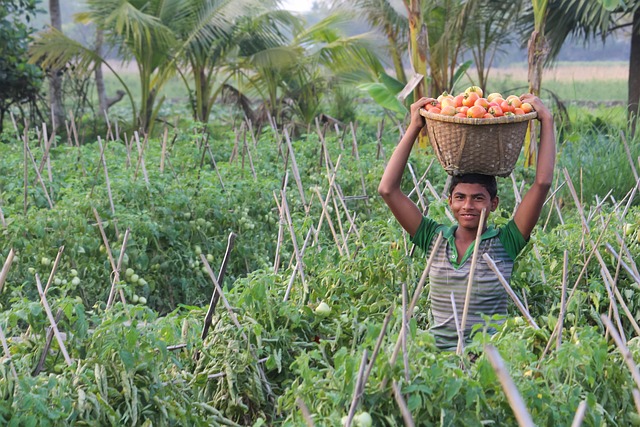
Understanding personal space is a crucial aspect of navigating social interactions in Bangladesh, where the concept of proximity and respect plays a significant role in daily life and cultural practices. In a country that values community and familial bonds, understanding the nuances of physical distance can greatly enhance your experience and foster positive relationships. The notion of personal space in Bangladesh is deeply intertwined with its rich cultural heritage and evolving societal dynamics, including strides towards gender equality and environmental consciousness.
In terms of gender equality in Bangladesh: challenges and progress, it’s evident that societal norms regarding personal space may vary based on gender and age. Traditionally, close interactions among family members and close friends are common, reflecting a sense of warmth and intimacy. However, as the country continues to progress, there is a growing awareness of personal boundaries, especially among younger generations who have been exposed to global trends and diverse cultural influences. This shift is evident in urban areas where individuals from various backgrounds coexist, leading to a more nuanced understanding of personal space. For instance, while greeting someone, a slight bow or a respectful gesture accompanied by a warm smile can convey consideration for personal boundaries.
Bangladesh’s rich history and environmental conservation efforts also shape its social etiquette. The country’s diverse landscapes, from the bustling cities to rural villages, have inspired unique cultural practices and crafts that reflect a deep connection with nature. Delve into the rich history and techniques of Bengali crafts literature to appreciate how these traditions emphasize harmony with the environment. Similarly, technology plays a role in shaping social interactions, making it essential to find a balance between digital connectivity and respect for personal space. As you explore Bangladesh’s vibrant culture, remember that observing and respecting personal boundaries are key to building meaningful connections with locals.
When interacting with Bangladeshis, be mindful of your physical proximity, especially during conversations. Standing too close or invading someone’s personal space may be considered impolite. Instead, allow for a comfortable distance, which can vary from person to person. It’s also worth noting that body language and gestures hold significant weight in Bangladeshi society. Understanding these non-verbal cues, such as the importance of eye contact and appropriate hand gestures, can further enhance your ability to connect with others. For intermediate students studying media landscapes, exploring these cultural aspects through authentic interactions and diverse sources offers a deeper understanding of Bangladesh’s rich tapestry and fosters meaningful engagement with its people.
The Art of Conversation Etiquette

In Bangladesh, conversation etiquette plays a significant role in shaping social interactions, reflecting deep cultural values and traditions. Engaging in dialogue here is more than just exchanging words; it’s an art that involves respect, consideration, and understanding of subtle cues. A key aspect to master is the flow and pace of conversations, which often differ from Western norms. Bangladeshis tend to favor a more relaxed, meandering style, where stories, anecdotes, and personal experiences intertwine naturally. This organic approach allows for building rapport and fostering connections.
When engaging with locals, remember that direct eye contact might be perceived as disrespectful in certain contexts. Instead, soft, diffused eye contact is preferred, accompanied by a warm smile. Respecting personal space is another crucial aspect. In crowded settings, Bangladeshis may stand closer to each other during conversations than what is customary in many Western cultures. This physical intimacy signifies comfort and camaraderie. Listening actively is highly valued; showing genuine interest through attentive ears and thoughtful responses goes a long way in fostering positive connections.
Food, being an integral part of Bangladeshi culture, often serves as a catalyst for conversation. Sharing meals together strengthens social bonds, and discussions naturally flow over the dining table. Whether visiting one of the natural wonders of Bangladesh like the Sundarbans mangrove forest or exploring the vibrant streets of Dhaka, engaging in local customs, such as partaking in communal meals, can open doors to deeper cultural understanding. For entrepreneurs considering setting up a business here, mastering these unwritten rules of conversation etiquette will enhance interactions with locals and contribute to a smoother entry into the Bangladeshi market. Remember, Bangladesh’s rich cultural tapestry offers a unique experience—one that awaits those willing to immerse themselves in its beauty, both within its geographical landscapes and in its people’s warmth and hospitality. Visit us at Hidden Gems of Bangladesh: Exploring Beyond Dhaka anytime to discover more.
Respecting Age and Seniority Norms

In Bangladesh, respecting age and seniority norms is a cornerstone of social interactions, deeply ingrained in its culture, which has evolved over centuries. This respect is not merely polite behavior but a reflection of the societal hierarchy and values that have historically shaped the country, particularly in its historical cities like Dhaka, known for their rich cultural tapestry. Understanding this aspect of etiquette can significantly enhance your experience and relationships in Bangladesh.
An in-depth look at Bangladesh’s social structure reveals a profound deference to elders and those with higher social status or professional positions. This respect extends beyond familial ties, permeating various aspects of society from educational institutions to political circles. For instance, top universities in Dhaka, such as the University of Dhaka and Bangladesh University of Business and Technology (BUBT), reflect this culture through their academic hierarchies, where professors and senior scholars are held in high esteem. Similarly, the analysis of Bangladesh’s political history shows a consistent emphasis on seniority and experience, with elders often playing pivotal roles in decision-making processes.
When engaging with Bengalis, especially in formal settings, it is crucial to address and acknowledge seniors appropriately. This can be as simple as using respectful titles like “Shonchoy” (for older individuals) or “Jenaab” (for scholars or professionals) alongside their names. Showing deference doesn’t stop at verbal cues; it also manifest in actions, such as offering a seat to an elder or taking their needs into consideration first. Remember that these norms vary across regions within Bangladesh, but the overarching principle of respecting age and seniority remains consistent.
To truly understand and navigate this aspect of Bengali etiquette, young people—both local and international—can benefit from exploring the role of media in shaping societal values. By following local news, engaging with cultural events, and interacting with locals, you can gain insights into the complex web of traditions and modern influences that define Bangladesh’s social norms. This exploration not only enriches your personal growth but also fosters deeper connections within Bangladeshi society.
Dining Etiquette: A Social Bond in Bangladesh

Dining etiquette holds a central place in Bangladeshi society, reflecting the country’s rich social fabric and religious diversity in Bangladesh, where harmony and festivals are celebrated across communities. The act of sharing a meal transcends nourishment; it fosters bonds, strengthens relationships, and reinforces cultural values. Understanding these norms is essential for anyone navigating Bangladesh’s vibrant landscape, especially as the nation continues to make strides in the empowerment of women, reflecting progress and addressing challenges that shape its identity.
In Bangladeshi culture, meals are often communal affairs, with family and friends gathering around a shared table. It’s common for guests to be offered multiple courses, each accompanied by unique flavors and textures that cater to diverse palates. The use of hands is acceptable in certain contexts, especially when enjoying street food or sharing snacks, but utensils are typically used during formal dining. Respecting personal space is also important; while conversations flow freely, maintaining an appropriate distance demonstrates consideration for others.
When participating in a meal, it’s respectful to wait to be seated and to accept food with both hands, symbolizing gratitude and hospitality. The oldest or most respected individual at the table usually begins eating first, setting a gentle rhythm for the rest of the gathering. Bangladeshi cuisine often features rice as a staple, accompanied by curry, vegetables, and pulses. Sharing dishes is common, encouraging an inclusive atmosphere where everyone contributes to the collective enjoyment of food.
Environmental conservation efforts in Bangladesh, fueled by technological advancements, play a growing role in shaping dining practices. Digital platforms facilitate food ordering and delivery, minimizing waste and promoting efficient resource management. Simultaneously, initiatives focused on sustainable agriculture and responsible consumption are gaining traction. As Bangladesh continues its political evolution, marked by an analysis of its history for advanced students’ society, these cultural shifts reflect the nation’s aspirations for a greener, more inclusive future. Remember that embracing local dining etiquette not only enhances cross-cultural understanding but also contributes to the preservation of Bangladesh’s unique social and environmental narratives.
Dress Code and Modesty Expectations

Understanding Bengali social norms begins with an awareness of their unique dress code and modesty expectations. In Bangladesh, clothing is more than just a necessity; it’s a form of cultural expression deeply rooted in tradition. The conservative nature of Bangladeshi society often dictates modest attire for both men and women, especially when visiting rural areas or engaging in religious activities. This sense of modesty extends beyond clothing choices, influencing behavior and interactions as well. For instance, public displays of affection are generally frowned upon, and personal space is highly respected.
Navigating these norms requires a sensitivity to context. In urban centers like Dhaka, social standards may be more relaxed, but visiting rural Bangladesh naturally where healthcare access differs significantly from urban areas—with challenges such as limited facilities and healthcare professionals—calls for an even greater awareness of local customs. This is particularly important when seeking medical attention or interacting with local communities. Dressing modestly can open doors to warmer receptions and facilitate smoother communication. For example, covering shoulders and knees during visits to rural clinics or community centers can foster trust and respect from the locals.
Delve into the rich history of Bangladeshi crafts literature and handicrafts—a testament to traditional artistry that has survived centuries—to gain a deeper appreciation for their cultural values. These crafts often incorporate intricate designs reflecting religious themes, folk stories, and natural motifs, each carrying significant symbolism. Understanding the significance of these traditions can enhance your ability to connect with locals on a deeper level. Give us a call at Geography Exact if you need more insights into how these cultural elements intertwine with geographical features, shaping unique social dynamics across Bangladesh.
Practical advice includes researching local customs before visiting rural areas and being mindful of the purpose of your visit. If seeking healthcare, for instance, dressing modestly is not only respectful but can also help avoid unnecessary misunderstandings or discomfort. Remember that these norms are designed to promote harmony within communities and should be approached with an open mind and a willingness to learn. By embracing these cultural expectations, you’ll not only enhance your experience in Bangladesh but also contribute positively to local interactions.
In exploring the social norms and etiquette of Bangladesh, this article has unveiled a rich cultural tapestry. Key insights include the importance of greeting rituals, with a focus on warmth and respect, and understanding personal space dynamics that vary from Western concepts. Conversation etiquette emphasizes active listening and thoughtful responses, while age and seniority are deeply respected in all interactions. Dining is not just a meal but a social bond, reflecting community and hospitality. Dress code expectations prioritize modesty, with cultural sensitivities towards clothing choices. By embracing these practices, visitors to Bangladesh can foster deeper connections, navigate social situations gracefully, and appreciate the country’s vibrant culture.