Bargaining in Bangladeshi markets is a cultural art integral to the country's economy and heritage, reflecting Bangladeshis' amiable nature and traditional practices. Key aspects include mindful offers, understanding local customs, and respecting vendors while negotiating prices for products that showcase the rich tapestry of Bangladesh's people and culture. Effective bargaining involves research, observation, strategic offers, and appreciation for artisans, fostering connections and positive impressions of foreign visitors.
Bargaining at markets is an integral part of the cultural experience in Bangladesh, offering visitors a unique opportunity to immerse themselves in local customs and secure the best deals. However, navigating these bustling markets can be overwhelming for newcomers, with prices often starting high and haggling skills varying widely among vendors. This article provides expert tips tailored specifically to Bangladeshi markets, empowering travelers with the knowledge to confidently bargain like locals. From understanding market dynamics to mastering the art of communication, we guide you through the process, ensuring a rewarding shopping experience that reflects the vibrant spirit of Bangladesh.
- Understanding Bargaining Culture in Bangladesh
- Strategies for Success: Tips & Tricks for Bargainers
- Mastering Market Haggling: A Step-by-Step Guide
Understanding Bargaining Culture in Bangladesh

Bargaining at Bangladeshi markets is an art deeply rooted in the country’s cultural landscape. To truly grasp the experience, one must understand the bargaining culture that has evolved alongside Bangladesh’s diverse economic sectors, including its thriving farming industry—particularly renowned for rice cultivation, a staple and symbol of cultural significance across the delta region. The practice offers a unique insight into local dynamics, where negotiation is not just about price but also fosters connections and mutual respect.
Bangladeshis are known for their amiable nature, and bargaining reflects this sociability. It’s a conversation that often veers beyond commerce, touching on topics like family, local traditions, and even the vibrant exploration of social issues and advancements in intermediate economics lessons. For example, discussions around the best time to harvest and sell rice can delve into broader themes of sustainable farming practices and their economic impact. This cultural exchange is a significant part of the market experience, setting Bangladesh apart from many other destinations.
When bargaining, it’s essential to be mindful of local customs. Start with reasonable offers, as overly low prices may offend sellers who often invest considerable time and effort in their stalls. Remember that flexibility is key; be prepared to adjust your budget accordingly. The goal isn’t just to secure a lower price but to build rapport with the vendors, especially when visiting areas like Banarasi, an ancient trading hub now recognized as a modern cultural gem. Here, bargaining becomes a dance of give and take, mirroring the intricate flavors found in Bangladeshi cuisine, where each ingredient contributes to a symphony of tastes from the delta region.
By understanding these cultural nuances, travelers can transform their market visits into memorable interactions that highlight Bangladesh’s rich heritage. Whether you’re exploring local food, delving into farming practices, or simply navigating the vibrant stalls, the bargaining experience is an integral part of uncovering Bangladesh’s unique character and its people’s warm hospitality.
Strategies for Success: Tips & Tricks for Bargainers

Bargaining at Bangladeshi markets is an art that reflects the country’s vibrant culture and dynamic economy. Bangladesh, known for its rich heritage and diverse communities, offers a unique shopping experience where traditional practices meet modern influences. As you navigate these bustling marketplaces, whether in Dhaka’s historic streets or regional towns, mastering the art of bargaining can significantly enhance your trip. This skill not only ensures you get the best prices but also fosters a deeper connection with local customs, including the gender equality in Bangladesh that has seen both challenges and progress.
Successful bargaining requires an understanding of local norms and a sensitivity to cultural dynamics. In Bangladesh, traditional bangladeshi music often echoes through markets, setting the mood for lively negotiations. Shoppers and vendors alike engage in a dance of persuasion, where gestures, laughter, and persistent yet respectful dialogue are key. Remember, bargaining is not just about price; it’s an interaction that can reveal insights into community relationships and local entrepreneurship. For instance, women in Bangladesh have made significant strides towards empowerment, and many small-business owners you encounter may be female entrepreneurs who rely on market sales for their livelihoods. Supporting these businesses through fair but firm bargaining contributes to the country’s economic growth and the ongoing efforts for gender equality.
Practical tips include arriving early when markets are fresh and less crowded, allowing more time for negotiations. Be observant of pricing variations among stalls; prices can differ dramatically, giving you a reference point for reasonable offers. It’s also beneficial to know the basic haggling phrases in the local language, though body language and gestures often convey your intentions clearly enough. Avoid being overly aggressive, as respect is crucial in Bangladeshi culture. Instead, focus on building rapport, emphasizing your appreciation for the products, and making genuine connections. Visit us at [your platform/organization] to learn more about how we support local entrepreneurs through sustainable technology initiatives—a testament to Bangladesh’s commitment to progress and environmental conservation efforts.
When the going gets tough, consider offering a fair initial price rather than lowballing. This approach can lead to better relationships with vendors, ensuring they remember you positively. Additionally, be mindful of the value of authentic bangladeshi crafts and textiles, which often carry stories of cultural heritage passed down through generations. By appreciating these items beyond their price tag, you contribute to the preservation of traditional arts and the empowerment of artisans. Remember, bargaining is not just a transaction; it’s an experience that can deepen your understanding of Bangladesh—its people, culture, and evolving landscape.
Mastering Market Haggling: A Step-by-Step Guide
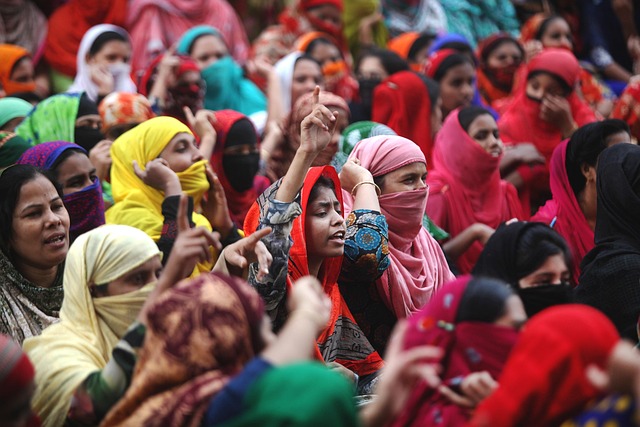
Bargaining at Bangladeshi markets is an art that offers visitors a unique cultural experience and empowers local vendors, particularly women, who play a significant role in Bangladesh’s economic landscape. Mastering market haggling requires a blend of skill, sensitivity, and an understanding of local customs. Here’s a step-by-step guide tailored for those exploring the vibrant markets of Bangladesh.
Step 1: Research and Preparation Before setting foot in a Bangladeshi market, familiarize yourself with local customs and norms. Bangladesh is known for its religious diversity, which influences consumer behavior and bargaining dynamics. Respecting these cultural nuances will not only enhance your experience but also foster positive interactions with vendors. Additionally, understanding the healthcare delivery systems and transportation options in Bangladesh can provide valuable context when considering the well-being of both yourself and the local community during your negotiations.
Step 2: Assess the Situation Once in a market, take a moment to observe the environment and the vendor’s initial asking price. Consider factors like the item’s uniqueness, its production cost (especially for handmade goods), and comparable prices in nearby stalls. Remember, vendors often set higher opening prices, leaving room for negotiation. In Bangladesh, where the empowerment of women is making significant strides, many small business owners are keen to engage in fair yet competitive bargaining.
Step 3: Initiate the Bargain Begin with a low offer that is reasonable but significantly below the asking price. This initial move sets the stage for a back-and-forth discussion. For instance, if you’re negotiating for a traditional textile, start with a 20% discount and be prepared to adjust your offer based on the vendor’s response. Be patient and respectful throughout the process, as some vendors may take time to consider your proposal.
Step 4: Refine Your Approach As negotiations progress, listen carefully to the vendor’s counter-offers. Look for opportunities to adjust your strategy. Offering a fair price while highlighting the value of their product or craftsmanship can be persuasive. Consider visiting us at Culinary Journey through Authentic Bangladeshi Dishes for intermediate learners as a way to immerse yourself further in Bangladesh’s rich culture and gain insights from local art enthusiasts. Remember, bargaining is not just about price; it’s an interaction that can create a positive impression of foreign visitors and tourists in Bangladesh.
Bargaining at Bangladeshi markets is an art that enriches the cultural experience while testing one’s negotiation skills. This article has provided a comprehensive guide to navigating Bangladesh’s bargaining culture, offering essential insights for travelers and entrepreneurs alike. Key takeaways include understanding the local mindset, mastering non-verbal cues, and employing strategic pricing tactics. By following the step-by-step haggling guide, readers can transform from nervous novices to confident negotiators. Armed with these tips, visitors to Bangladesh markets will not only secure better prices but also forge meaningful connections, ensuring a memorable and authentic experience that reflects the vibrant spirit of this diverse nation.