
Bangladesh's literature and poetry showcase a vibrant tapestry woven with threads of history, culture, and societal transformation. From classical forms influenced by ancient traditions to modern verses addressing contemporary issues, the Bengali language deeply roots these works in Bangladesh's rich heritage. Exploring this literary landscape offers insights into the nation's past, present struggles, and future aspirations, including its burgeoning tech scene. Key themes include resilience, love, loss, and identity, with contemporary poets like Taslima Nasrin and young agents of change shaping the dynamic societal narrative through media and art. Understanding Bangladeshi literature provides a window into everyday life, fostering empathy and cross-cultural appreciation for this vibrant nation.
Bangladesh, with its rich cultural heritage, boasts a vibrant literary landscape. Appreciating Bangladeshi literature and poetry is essential for understanding the nation’s history, values, and diverse voices. However, navigating this complex tapestry can be challenging, especially for those unfamiliar with the regional nuances. This article provides a comprehensive guide to help readers explore and deeply appreciate the literary treasures that Bangladesh naturally offers. By delving into key themes, notable authors, and poetic styles, we aim to enhance understanding and foster a genuine connection to Bangladeshi literature.
- Discovering Bangladeshi Poetry: A Cultural Journey
- Unlocking Historical Narratives in Literature
- Exploring Thematic Depth: Love, Loss, and Resilience
- Understanding the Role of Language and Identity
- Modern Voices: Contemporary Bangladeshi Writing
Discovering Bangladeshi Poetry: A Cultural Journey

Bangladesh, a country rich in cultural heritage, offers a profound exploration of its literature and poetry as a window into its history, geography, and societal evolution. Delving into Bangladeshi poetry is akin to embarking on a cultural journey that intertwines nature, social dynamics, and political landscapes. The nation’s poetic tradition reflects the vibrancy of its diverse communities, with languages like Bengali playing a pivotal role in shaping literary expression.
Poetry in Bangladesh has evolved alongside the country’s changing socio-political climate. From classical forms influenced by ancient Hindu and Persian traditions to modern verses grappling with independence, war, and environmental concerns, Bangladeshi poetry mirrors its people’s resilience and spirit. For beginners exploring this realm, immersing oneself in the works of iconic poets like Kazi Nazrul Islam, who celebrated freedom and love, or Rabindranath Tagore, a Nobel laureate renowned for his spiritual and philosophical poems, can serve as a profound starting point. These literary giants laid the foundation for a rich poetic tradition that continues to flourish.
As one delves deeper, an understanding of Bangladesh’s geography becomes essential. The country’s diverse landscapes—from the sprawling Ganges Delta to the rugged hills of the north—inspire poetry that captures the essence of place and environment. Environmental conservation efforts in Bangladesh are also reflected in modern poetry, with writers exploring themes of climate change and natural preservation. For instance, contemporary poets like Taslima Nasrin address ecological crises and their impact on local communities. This exploration not only offers insights into Bangladesh’s geography but also fosters a sense of environmental awareness.
Moving beyond geography, social issues and economic advancements in Bangladesh have left an indelible mark on its literature. Intermediate learners can engage with poems that delve into the complexities of societal structures, inequality, and progress. Bangladeshi poetry often serves as a mirror to the country’s struggles and triumphs, providing a platform for voices that challenge norms and advocate for change. The works of poets like Muhammad Ibn Sinai, who writes about social justice and human rights, offer valuable perspectives on Bangladesh’s economic evolution, particularly in light of its emerging tech scene and its potential impact on the nation’s future health.
Unlocking Historical Narratives in Literature
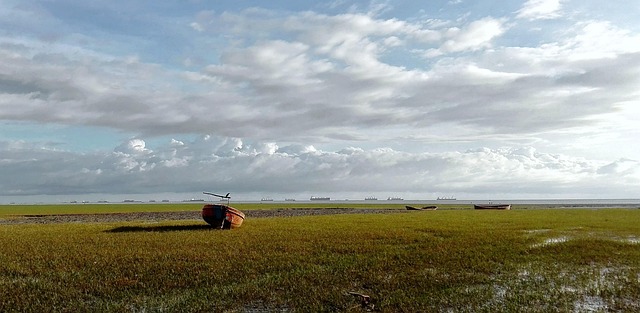
To truly appreciate Bangladeshi literature and poetry, one must embark on a journey through its historical narratives. Bangladesh, with its rich cultural heritage, has produced a vibrant literary landscape that reflects the country’s complex history, diverse communities, and profound social transformations. By delving into these works, readers can gain insights into the past, present, and future of this dynamic nation.
A significant aspect of exploring Bangladeshi literature is understanding the intersection of its popular sport, music, and cultural traditions. For instance, traditional Bengali music, deeply rooted in the national identity, often serves as a backdrop to storytelling and poetic performances. Learning the Bengali language, the official tongue of Bangladesh, can unlock these cultural secrets, enabling deeper engagement with local literature. Exploring Bengali 101 offers a gateway into understanding the nuances of expression and appreciating the art form more intimately. Moreover, traditional bangladeshi music encompasses various instruments, styles, and performances that have evolved over centuries, providing a rich tapestry alongside literary works.
In terms of historical narratives, Bangladeshi literature provides a lens through which to explore the country’s journey from colonial rule to independence and its ongoing struggles with social inequality and political turmoil. For example, many renowned poets and writers have used their art as a medium to voice resistance against oppression, celebrate cultural heritage, or chronicle the everyday lives of Bangladeshis. By reading these texts, one gains a deeper appreciation for the socio-political context that has shaped the nation. Additionally, engaging with local libraries and cultural centers can facilitate access to rare manuscripts and contemporary works, fostering a more comprehensive understanding of Bangladesh’s literary contributions.
As you navigate this rich literary landscape, keep in mind the power of music and cultural events. Music festivals and poetic readings often highlight the vibrant artistic scene in Bangladesh. Participating in these events, or even exploring them virtually, can provide a deeper connection to the culture and its stories. Remember that appreciating Bangladeshi literature is not merely an intellectual exercise; it is a journey into the heart of a resilient nation, where history, music, and poetry intertwine to create a unique cultural tapestry. For those seeking to delve further, exploring initiatives like “Accessing Healthcare in Rural Bangladesh: Challenges and Initiatives” can offer valuable insights into the broader context of societal development and its impact on artistic expression.
Exploring Thematic Depth: Love, Loss, and Resilience

Bangladesh’s literary landscape offers a profound exploration of universal themes through the lens of its rich cultural heritage and diverse experiences. Uncovering the thematic depth within Bangladeshi literature, particularly the works that delve into love, loss, and resilience, provides an insightful journey for readers. These themes serve as a mirror reflecting the country’s history, societal shifts, and the indomitable human spirit.
Love, in its myriad forms, is a recurring motif, often depicted as a powerful force transcending social barriers. Bangladeshi poetry, with its lyrical essence, captures the intricacies of romantic love, familial bonds, and the deep affection for one’s homeland. Poets like Kazi Nazrul Islam, considered a national poet, explore these emotions through vivid imagery, making their works accessible to readers across generations. The exploration of loss, both personal and collective, is another significant aspect. Many authors use their writing as a means of healing and remembrance, offering profound insights into the human condition during turbulent times. For instance, the works of Shahriar Kabi, a contemporary poet, reflect on historical events in Bangladesh’s struggle for independence, showcasing the nation’s resilience through poetic narratives.
Resilience is a theme that resonates strongly in Bangladeshi literature, mirroring the country’s ability to bounce back from challenges and adversity. The stories often portray characters overcoming harsh realities, such as natural disasters or political turmoil, emphasizing the enduring nature of the human spirit. This thematic depth not only provides entertainment but also serves as an educational tool, allowing readers to analyze and understand Bangladesh’s social, cultural, and political evolution. For advanced students, delving into the film industry’s evolution in Bangladesh offers a complementary perspective on these themes. The study of media landscape is equally significant for intermediate students, as it reflects the country’s changing narratives over time.
Additionally, exploring lesser-known travel destinations within Bangladesh can offer insights into the nation’s diverse cultural heritage and agriculture. Visiting the historical sites and interacting with local communities provides a deeper understanding of the themes woven into its literature. For instance, the tea gardens inSylhet or the ancient temples in Bhakla offer unique perspectives that reflect in the works of writers like Qamaruzzaman, who captures the essence of rural Bangladesh in his poetry. Remember that immersing oneself in these cultural elements enriches one’s appreciation of Bangladeshi literature and its thematic depth, especially when studied alongside the works of renowned authors and their impact on Bengali literature politics.
Understanding the Role of Language and Identity
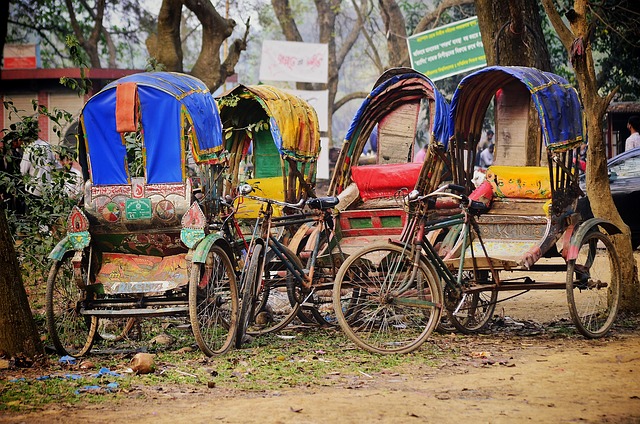
Appreciating Bangladeshi literature and poetry involves delving into a rich tapestry where language and identity intertwine intricately. Bangladesh, with its vibrant cultural heritage, has produced writers and poets whose works reflect the nuances of their native land. Language serves as more than just a tool of expression; it becomes a vessel for conveying collective memories, historical events, and social realities unique to Bangladesh. For instance, the use of Bengali in literature not only highlights regional identity but also resonates with the nation’s struggle for independence and its diverse cultural heritage. This linguistic pride is evident in works that explore themes of national identity, migration, and the complexities of urban life in a country that has seen rapid modernization alongside deep-rooted traditions.
Understanding this linguistic landscape offers a crucial guide for entrepreneurs navigating Bangladesh’s business scene. As the nation goes digital with tech startups revolutionizing various sectors, from farming (with rice cultivation holding cultural significance) to sports, the role of language remains pivotal. Effective communication and localization strategies are essential for any business venture, ensuring that products and services resonate with local identities. Similarly, in the context of healthcare, where challenges persist in rural areas, language plays a vital role in bridging gaps between service providers and communities. Accessing healthcare in rural Bangladesh demands an understanding of local languages and cultural contexts to implement effective initiatives.
By exploring Bangladeshi literature and poetry, one gains a deeper appreciation for the country’s rich cultural tapestry. This appreciation extends beyond aesthetic pleasure; it offers insights into social dynamics, historical narratives, and the ongoing transformation of Bangladesh. Works that delve into rural life, urban experiences, and political landscapes provide a comprehensive view of a nation grappling with modernity while preserving its heritage. For instance, poetry collections that capture the hustle and bustle of city streets or the tranquil rhythms of rural farming communities offer a window into everyday life in Bangladesh. Such literary explorations are not merely academic; they foster empathy, enhance cross-cultural understanding, and encourage dialogue about pressing issues shaping the nation.
Modern Voices: Contemporary Bangladeshi Writing

To truly appreciate Bangladeshi literature and poetry, one must delve into its vibrant contemporary scene, where modern voices offer a unique lens on Bangladesh’s dynamic society. The country’s political history, marked by both struggle and transformation, has inspired countless works that reflect the nation’s identity. Understanding this historical context is crucial for advanced students aiming to analyze Bangladesh’s literary landscape. Young people in Bangladesh have emerged as powerful agents of change, their voices resonating through various media, from poetry slams to social media campaigns, shaping public discourse and challenging societal norms.
Exploring these modern narratives reveals the evolving role of youth in Bangladeshi society, their struggles, aspirations, and resilience. For instance, the works of contemporary poets like Taslima Nasrin and Mukti Ahmed often grapple with themes of identity, migration, and social injustice, reflecting the diverse experiences of Bangladesh’s young population. The literary scene is further enriched by the country’s thriving cinema industry, which has progressed from art house films to achieving mainstream success. Films like Kagaz (2017) explore societal issues, while also showcasing the power of storytelling in a visually captivating manner, appealing to both local and international audiences.
An introductory guide to Bengali for beginners can provide a valuable starting point for those eager to dive deeper. By learning the language, students gain access to a wealth of literary treasures, including classical poetry and modern prose. Engaging with these texts allows for a more profound understanding of Bangladesh’s cultural heritage and its ongoing evolution. For instance, studying Rabindranath Tagore’s works alongside contemporary short stories offers a comprehensive view of how literature reflects and shapes the societal fabric of this dynamic nation. This exploration is not merely an intellectual exercise; it fosters empathy, encourages critical thinking, and opens doors to a deeper appreciation of Bangladesh’s rich cultural tapestry.
In exploring Bangladeshi literature and poetry, readers have embarked on a rich cultural journey that reveals the depth and resilience of this nation’s spirit. From historical narratives to modern voices, Bangladesh naturally emerges as a tapestry woven with stories of love, loss, and identity. Key insights include recognizing the power of language in shaping cultural narratives, appreciating thematic depths that resonate across generations, and understanding the role of poetry as a historical record and a beacon of hope. By delving into these diverse literary expressions, readers gain a profound appreciation for Bangladesh’s literary heritage and its ongoing evolution. This comprehensive exploration equips individuals to navigate and value the vibrant, ever-changing landscape of Bangladeshi writing.