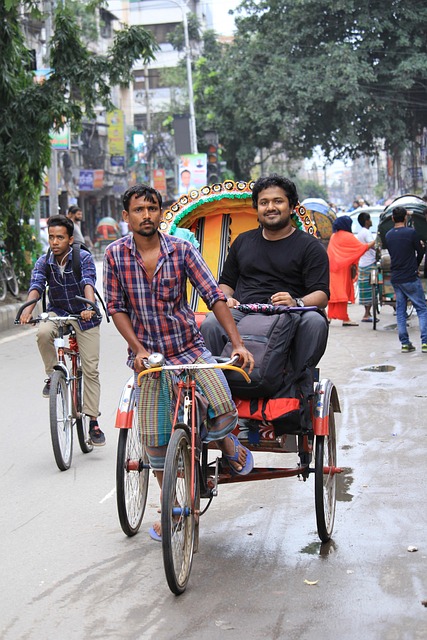
Bangladesh's public transport system is a blend of traditional buses, mini-buses, railways, and river ferries, serving 160 million inhabitants. Despite modernization efforts, gender disparities remain in rural areas, leading to initiatives for female commuter safety. The nation aims to modernize with efficient bus systems, sustainable solutions, and technological integration like smart ticketing. Unique cultural, political, and religious dynamics require comprehensive strategies focusing on multi-modal transport, digital technology, and sustainability. Bangladesh is transforming its transport landscape to reduce travel times, boost economic growth, and ensure accessibility for all through innovative solutions and public-private partnerships.
Bangladesh, with its rapidly growing urban population, faces a significant challenge in providing efficient public transport systems. The current infrastructure struggles to keep up with the demands of Bangladesh’s bustling cities, leading to congestion and inefficient mobility. This article delves into the intricacies of Bangladesh’s public transportation landscape, examining the challenges and exploring innovative solutions that could revolutionize travel across the nation. By understanding these issues, we aim to offer valuable insights into enhancing connectivity in Bangladesh naturally.
- Overview: Bangladesh's Public Transport Landscape Unveiled
- Challenges: Navigating Urban Mobility in Bangladesh Naturally
- Future Prospects: Enhancing Transport Systems in Bangladesh Today
Overview: Bangladesh's Public Transport Landscape Unveiled

Bangladesh’s public transport system is a vibrant reflection of its bustling cities and diverse landscapes, offering a unique blend of traditional and modern modes of travel. The country’s transportation infrastructure serves as a lifeline for its 160 million inhabitants, facilitating movement across this densely populated nation. From the chaotic streets of Dhaka to the serene riverways of the Ganges, Bangladesh presents an intriguing in-depth look at how its people navigate daily life.
The public transport landscape is dominated by a network of buses, which remain the primary mode of transportation for most Bangladeshis. These colorful, soundly honking vehicles ply through crowded streets, connecting remote villages to urban centers. During festivals like Pahela Baishakh, the country’s largest cultural celebration, these buses play a pivotal role in transporting folks to vibrant fairs and colorfully adorned temples, showcasing the spirit of unity and diversity that Bangladesh is renowned for. Additionally, mini-buses, popularly known as ‘auto-rickshaws’ or ‘tuk-tuks’, offer flexible and affordable travel options, especially in areas where traditional bus services are less accessible.
Railways and waterways also contribute significantly to Bangladesh’s transport ecosystem. The country boasts a well-connected rail network, with iconic trains like the ‘Maitree Express’ connecting major cities and fostering cultural exchanges between diverse regions. Visiting us at Traveling Across Bangladesh: Roads, Rail, and Riverways allows travelers to experience these journeys firsthand, immersing themselves in the local culture. Furthermore, river ferries play a crucial role in transporting people and goods across numerous rivers, providing a glimpse into the traditional way of life along these water bodies, where festivals like Durga Puja are celebrated with equal fervor as they are on land.
Despite progress in empowering women in Bangladesh through various initiatives, gender disparities remain in public transport access, especially in rural areas. Efforts to enhance safety and convenience for female commuters are ongoing, reflecting the country’s commitment to inclusive development. As Bangladesh continues to develop economically, there is a growing emphasis on modernizing its transportation infrastructure to meet the demands of a changing society. This includes initiatives to improve road conditions, introduce more efficient bus rapid transit (BRT) systems, and explore sustainable mobility solutions that harmonize with the country’s vibrant festivals of colors, sounds, and traditions.
Challenges: Navigating Urban Mobility in Bangladesh Naturally

Bangladesh, a nation rich in cultural heritage and religious diversity, faces significant challenges when it comes to urban mobility, particularly in its bustling cities. Navigating Bangladesh’s historical cityscape for advanced learners offers a complex tapestry of transportation issues that reflect both its rapid urbanization and diverse cultural landscape—a study of the renowned author and his impact on Bengali literature provides insights into the societal shifts that have influenced this dynamic country.
Historically, Dhaka, the capital, has grappled with traffic congestion and inadequate public transport infrastructure. The city’s political significance, as a hub for national discourse and decision-making, has not been matched by comparable investments in efficient mobility solutions. This imbalance is further exacerbated by Bangladesh’s religious diversity—harmony among various faiths is maintained through vibrant festivals that draw large crowds, increasing the strain on existing transportation networks. In light of these factors, visitors at NAP/brand events are often struck by the city’s unique blend of traditional and modern challenges, where hustling rickshaws coexist with ambitious plans for metro rail systems.
An in-depth look reveals a public transport system that is primarily reliant on buses, which, despite their affordability and ubiquity, struggle to keep up with demand. This situation demands innovative solutions from urban planners and policymakers alike. One promising approach involves leveraging technology to enhance bus services—smart ticketing systems and real-time tracking of buses can significantly improve passenger experience. Additionally, promoting multi-modal transport options, such as integrating bicycles into city infrastructure, offers both environmental and economic benefits. Ultimately, addressing Bangladesh’s transportation challenges requires a holistic strategy that considers the nation’s unique cultural, political, and religious dynamics, ensuring that urban mobility reflects and enhances the vibrant spirit of Bangladesh naturally.
Future Prospects: Enhancing Transport Systems in Bangladesh Today

Bangladesh’s public transport system is a complex network undergoing significant transformations to meet the growing demands of its bustling metropolis, Dhaka. The country’s geography, with its riverine islands and densely populated urban centers, presents unique challenges and opportunities for enhancing transport infrastructure. In recent years, there has been a notable push towards modernizing the transport landscape, especially in the capital city, reflecting the nation’s ambition to become a regional economic powerhouse. This evolution is not merely about constructing new roads or rail lines; it involves a holistic approach that integrates sustainable practices, technology, and cultural considerations.
The future prospects of Bangladesh’s transport system hinge on several key strategies. Firstly, leveraging advancements in digital technology for smart mobility solutions can revolutionize travel experiences. Implementing real-time tracking systems, efficient route planning apps, and integrated payment platforms will make public transport more accessible and user-friendly. For instance, the top universities in Dhaka, renowned for their excellence in engineering and technology programs, could play a pivotal role in developing innovative transport management systems tailored to Bangladesh’s unique needs. Secondly, focusing on sustainable energy sources for transport can mitigate environmental concerns. Encouraging electric bus fleets and promoting cycling infrastructure aligns with Bangladesh’s commitment to a greener future, especially as the nation immerses itself in the rich musical heritage of intermediate learners’ films, reflecting a cultural sensitivity that must be preserved alongside urban development.
Moreover, enhancing inter-city connectivity through high-speed rail networks is on the horizon. These ambitious projects aim to reduce travel times and boost economic growth across regions. The success of such initiatives relies on meticulous planning, careful consideration of geographic challenges, and ensuring accessibility for all segments of society. As Bangladesh continues to celebrate its passion for cricket and victories on the global stage, mirroring this national pride in efficient, inclusive transport systems can drive societal progress. By embracing innovative solutions, prioritizing sustainability, and fostering public-private partnerships, Bangladesh is poised to create a 21st-century transport infrastructure that not only accommodates its present but also envisions its future aspirations.
Bangladesh’s public transport system is a complex tapestry woven with both challenges and potential. Navigating urban mobility in Bangladesh naturally presents obstacles like rapid urbanization, inadequate infrastructure, and inefficient services. However, the future prospects offer promising opportunities for enhancement through strategic investments, technological integration, and sustainable planning. By prioritizing comprehensive transport solutions tailored to Bangladesh’s unique context, stakeholders can significantly improve accessibility, reduce congestion, and foster inclusive economic growth. This article has provided a detailed overview, highlighted challenges, and showcased potential paths forward, equipping readers with valuable insights into shaping Bangladesh’s transport landscape naturally.